
Save Water Without Sacrificing Comfort: Why Faucet Aerators Are One of the Smartest Plumbing Upgrades You Can Make
If you are looking for a simple way to save water without changing the way your sink feels or works, the answer is often a very small part that most people forget exists. It is called a faucet aerator, and it can make a big difference in your home.
Many homeowners feel that plumbing upgrades are expensive, messy, or complicated. A faucet aerator is the complete opposite. It is affordable, easy to install, and incredibly effective. Once you understand what it does, you will probably wonder why you waited so long to put one on every faucet in your house.
This guide will walk you through what an aerator is, how it works, why it matters, how to choose one, and how to install it. You will also learn how this very small part can lower your water bill, help the environment, and improve your everyday routines.
What Exactly Is a Faucet Aerator
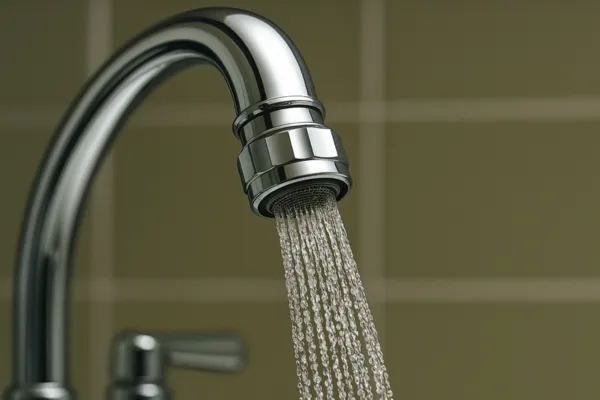
A faucet aerator is the small round screen you see at the end of a faucet. It looks simple, but it does a lot. When water passes through the aerator, it mixes with air. This creates a smooth and even flow that feels strong but uses less water.
The goal is to reduce water waste while keeping the stream comfortable to use. You still wash your hands, rinse dishes, and clean the sink the same way. You just use less water without noticing the difference.
If you remove the aerator from a faucet, the water usually comes out in a solid stream that splashes everywhere. With an aerator, the water becomes softer, gentler, and more controlled.
You can read more about how aerators mix air and water in this helpful resource from The Spruce:
https://www.thespruce.com/why-you-need-to-install-faucet-aerators-1821314
Why Aerators Save So Much Water
A regular faucet without an aerator can release more water than necessary. This extra water does not make cleaning easier, and it adds to your utility bill. A faucet aerator solves that problem by reducing the amount of water that comes through while keeping the pressure strong.
Many modern aerators reduce water flow by as much as thirty percent or even fifty percent compared to older faucets. That is a serious amount of water saved over time. It also means you use less hot water, which lowers your energy bill as well.
The Denver Water organization explains how important it is to clean or replace aerators to keep water use efficient:
https://www.denverwater.org/tap/big-benefits-cleaning-and-updating-faucet-aerators
When you add up that savings across sinks in your kitchen, bathrooms, and rental properties, the long term value becomes even more meaningful.
Benefits of Installing a Faucet Aerator
Here are the most important reasons to install a faucet aerator in your home or property.
Saves water without reducing comfort
You get a full and steady stream of water that still feels strong enough for normal tasks.
Lowers your water and energy bill
Less water used and less hot water wasted means real savings.
Reduces splashing
The water stream becomes softer and controlled which makes cleaning the sink easier.
Simple installation
Most aerators screw on by hand and take less than one minute to install.
Very affordable
This is one of the most budget friendly plumbing upgrades you can make.
Good for the environment
Using less water is one of the easiest ways to help preserve natural resources.
How to Choose the Right Aerator
Not every faucet uses the same type of aerator. Here is what to look for so you pick the right one.
Flow rate
The lower the flow rate, the more water you save. Common choices are:
Two point two gallons per minute
One point five gallons per minute
One point two gallons per minute
Lower flow is perfect for bathrooms. Slightly higher flow works well for kitchens where you may fill pots or rinse more frequently.
Thread size and style
Some faucets use standard threads while others use metric or special threading. Make sure the aerator matches your faucet so it seals correctly.
Material and quality
Better quality aerators last longer and resist clogging. Cheap versions may wear out quickly which defeats their purpose.
Your sink location
A bathroom sink usually performs best with lower flow. A kitchen sink can benefit from a higher flow for rinsing dishes.
Neoperl provides a helpful overview of the different aerator styles:
https://www.neoperl.com/global/en/home/names-and-benefits-of-faucet-aerators
How to Install a Faucet Aerator
Installation is simple even if you are not a plumbing expert.
Remove the old aerator by unscrewing it.
Rinse the faucet opening to remove debris.
Match the new aerator to your faucet threads.
Screw the new aerator on until snug.
Turn on the faucet to test for leaks.
If it drips, tighten gently with a cloth and pliers.
That is all there is to it. You can install aerators throughout your home in less than five minutes.
Why This Matters for Property Managers and Contractors
If you manage rental units, oversee buildings, or handle plumbing repairs, aerators are a smart way to improve efficiency across multiple units. They reduce complaints about weak flow, help lower utility bills, and maintain consistent water pressure.
For contractors, aerators are also a simple add on that improves customer satisfaction. Tenants and homeowners appreciate water savings, and you can complete the upgrade in moments.
Ready to Start Saving Water
If you are interested in upgrading to a water saving faucet aerator, you can explore options on the Plumbing Supply R Us website here:
Water Saving Faucet Aerators:
https://plumbingsupplyrus.com/product-category/repair-parts/faucet-1/aerators-1/
This small change can make a noticeable difference in your home. It takes almost no effort, it costs very little, and it pays for itself over time.